
There’s something magical about roasted butternut squash—the way those golden cubes caramelize in the oven, their natural sweetness deepening into pure comfort. Now add salty, crumbly feta cheese on top? Oh my. This roasted butternut squash with feta became my go-to side dish one chilly autumn when I needed something quick yet impressive for last-minute guests. That first bite—the creamy squash against the tangy cheese—had everyone asking for the recipe. It’s ridiculously simple, packed with flavor, and makes even weeknight dinners feel special. Trust me, once you try this combination, you’ll be making it on repeat all season long.
Why You’ll Love This Roasted Butternut Squash with Feta
This dish is one of those rare gems that checks all the boxes—simple, delicious, and good for you. Here’s why it’s a winner:
- Effortless elegance: Just toss, roast, and sprinkle. No fancy techniques, but it looks (and tastes) like you spent hours.
- Flavor fireworks: The sweet squash and salty feta create the perfect balance—like they were made for each other.
- Healthy-ish indulgence: Packed with vitamins from the squash and protein from the cheese, it’s comfort food you can feel good about.
- Versatile superstar: Equally at home on a weeknight dinner plate or a holiday spread.
Seriously, this might just become your new favorite way to eat vegetables.
Ingredients for Roasted Butternut Squash with Feta
One of the best things about this recipe? You probably have most of these ingredients already. Here’s what you’ll need to make magic happen:
- 1 medium butternut squash (about 2 pounds) – peeled, seeded, and cut into 1-inch cubes (trust me, uniform pieces roast evenly)
- 2 tablespoons olive oil – the good stuff, since it’s going to help caramelize those squash cubes beautifully
- 1 teaspoon salt – I use kosher salt for better flavor distribution
- ½ teaspoon black pepper – freshly ground if you can
- 1 teaspoon dried thyme – the earthy flavor pairs perfectly with squash (but don’t stress if you only have rosemary)
- ½ cup crumbled feta cheese – buy the block and crumble it yourself for better texture (those pre-crumbled ones can be too dry)
See? Nothing fussy here. Just simple, quality ingredients that work together like a dream.
How to Make Roasted Butternut Squash with Feta
Alright, let’s turn those simple ingredients into something magical! I’ve made this dish so many times I could do it in my sleep, but here’s my foolproof method to get it perfect every time.
Step 1: Prep the Squash
First things first – don’t let that tough squash skin intimidate you! I like to cut off both ends to create flat surfaces, then use a sharp vegetable peeler to remove the skin. Cut it in half lengthwise, scoop out those slippery seeds with a spoon (save them for roasting later if you’re feeling fancy), then slice into 1-inch thick half-moons. Finally, cube them into those perfect bite-sized pieces. The key here? Keeping them roughly the same size so they cook evenly. No one wants some mushy cubes and some underdone ones!
Step 2: Season and Roast
Preheat your oven to 400°F (200°C) – this is the sweet spot for getting that perfect caramelization without burning. While that’s heating up, toss your squash cubes in a big bowl with the olive oil, salt, pepper, and thyme. I like to use my hands to really massage the oil and spices into every nook and cranny. Spread them out in a single layer on a rimmed baking sheet – don’t crowd them or they’ll steam instead of roast. Pop them in the oven and set your timer for 15 minutes. When it goes off, give them a good stir (this prevents sticking and ensures even browning) and roast for another 10-15 minutes until they’re fork-tender with those beautiful caramelized edges. You’ll know they’re done when the edges look slightly wrinkled and golden brown.

Step 3: Add Feta and Serve
Here comes the best part! Take the baking sheet out of the oven and immediately sprinkle that glorious feta over the hot squash. The residual heat will soften the cheese just enough without completely melting it. Let it sit for about 2 minutes – this lets the flavors mingle – then transfer to your serving dish. I like to finish mine with an extra pinch of fresh thyme if I have it, just for that pop of color. Serve it while it’s still warm so you get that perfect contrast of sweet, caramelized squash with the cool, tangy feta. Absolute perfection!

Tips for Perfect Roasted Butternut Squash with Feta
After making this dish more times than I can count, I’ve picked up some tricks that take it from good to “can I have thirds?” good. Here are my absolute must-know tips:
- The honey trick: Right after roasting, drizzle a teaspoon of warm honey over everything. The way it mingles with the salty feta? Chef’s kiss!
- Cheese choices: If feta’s not your thing, try crumbled goat cheese or even ricotta salata. For vegan friends, a sprinkle of nutritional yeast gives that umami punch.
- Spice swaps: Out of thyme? Rosemary, sage, or even a pinch of cinnamon work beautifully with squash. I sometimes add a dash of smoked paprika for depth.
- Pan wisdom: Always use a rimmed baking sheet – those squash cubes release juices as they roast, and you don’t want a mess in your oven!
- Don’t peek! Resist opening the oven door too often. Every peek drops the temperature and slows down that crucial caramelization.
One last pro move? Let the roasted squash sit for 5 minutes before adding feta – it helps any excess moisture evaporate so your cheese stays delightfully crumbly rather than soggy.
Variations for Roasted Butternut Squash with Feta
One of my favorite things about this recipe? How easily you can switch it up to match your mood or what’s in your pantry. Here are some delicious twists I’ve tried (and loved) over the years:
- Herb happy: That thyme is just a starting point! Fresh sage leaves torn over the top add an earthy warmth, while chopped rosemary gives it an almost piney freshness. Sometimes I’ll toss in a pinch of ground cumin for a subtle smoky note.
- Cheese swap party: While feta’s our star, crumbled goat cheese melts into the most luscious creamy pockets. For something sharper, aged gouda shavings are incredible. And if you’re feeling fancy, a few thin slices of halloumi roasted right with the squash turns golden and crisp.
- Sweet surprises: A drizzle of maple syrup instead of honey plays beautifully with the squash’s natural sweetness. Or try sprinkling pomegranate seeds over the finished dish – their juicy burst cuts right through the richness.
- Nutty additions: Toasted walnuts or pecans add wonderful crunch. I’ll often toss a handful in during the last 5 minutes of roasting so they get toasty without burning.
The beauty is, no matter which variation you choose, it still feels like that same comforting dish we fell in love with – just with a fun new personality!
Serving Suggestions for Roasted Butternut Squash with Feta
This dish is like the friendly neighbor who gets along with everyone at the party! Here’s how I love to serve it:
- Simple protein pairings: It’s fantastic alongside roasted chicken (the juices mingle beautifully) or seared salmon. For vegetarian meals, I’ll pair it with crispy chickpeas or lemony white beans.
- Grain bowl superstar: Toss it warm with farro or quinoa, some baby spinach, and a squeeze of lemon for an instant grain bowl. The feta makes its own dressing when it gets a little melty!
- Salad upgrade: Let it cool slightly, then add to a bed of arugula with toasted walnuts – the warmth wilts the greens just right.
- Brunch bonus: Serve it with poached eggs on top – the runny yolks create the most luxurious sauce.
- Holiday side: At Thanksgiving, I’ll swap out half my sweet potatoes with this – the tangy feta cuts through all the rich dishes perfectly.
Truth be told, I’ve been known to eat it straight from the pan with a fork while standing at the counter. No judgment here!
Storage and Reheating Instructions
Here’s the good news – if by some miracle you have leftovers (it happens!), this roasted butternut squash with feta keeps beautifully. But there are a few tricks to keeping that perfect texture when you come back for round two.
Fridge storage: Let the squash cool completely (about 30 minutes), then transfer to an airtight container. I like to keep the feta separate if possible – just store it in a little baggie on top. This way, the cheese doesn’t get soggy. It’ll stay fresh for 3-4 days, though the squash might soften a bit over time.
Reheating like a pro: The oven is absolutely the best way to bring back that just-roasted magic. Spread the squash on a baking sheet at 350°F (175°C) for about 10 minutes – just until heated through. Then add the feta right at the end so it softens slightly but doesn’t melt away. If you’re in a hurry, the microwave works in a pinch (about 60 seconds), but expect the squash to be softer.
One surprise tip? Leftovers make an amazing cold salad! Toss the chilled squash and feta with some baby greens, a squeeze of lemon, and a drizzle of olive oil. The flavors deepen overnight, and the textures become something entirely new and delicious.
Nutritional Information
Now, I’m no nutritionist, but I do love knowing what’s going into my body – especially when it tastes this good! Here’s the scoop on what you’re getting in each serving of this roasted butternut squash with feta (remember, these are estimates – your exact numbers might dance around a bit depending on your specific ingredients).
- Calories: Around 180 per serving – pretty light for something that feels so indulgent!
- Fat: 10g (that’s the good olive oil and creamy feta doing their thing)
- Carbs: 20g – mostly from the natural sugars in that sweet squash
- Fiber: 4g – thank you, butternut skin (when properly roasted, it becomes deliciously edible)
- Protein: 4g – not bad for a veggie dish!
- Vitamin A: A whopping 300% of your daily needs – squash for the win!
- Calcium: 15% from our feta friend
A quick heads up – these numbers can change based on how big your squash is, how much oil you use (I always measure, but sometimes that extra drizzle happens!), and exactly which feta brand you choose. But one thing’s for sure – it’s packed with way more nutrients than that sad side salad you were considering!
Frequently Asked Questions
I’ve gotten so many questions about this roasted butternut squash with feta over the years – seems like everyone wants to make it their own! Here are the answers to the ones I hear most often:
Can I Use Frozen Butternut Squash?
Absolutely! Frozen squash cubes can be a lifesaver when you’re short on time. Just know they’ll release more moisture during roasting, so expect a softer texture rather than those crisp caramelized edges we love. My trick? Spread them on paper towels to thaw slightly, pat them very dry, and maybe roast at 425°F for the last 5 minutes to encourage browning. They’ll still taste delicious – just different!
What Can I Substitute for Feta?
Oh, the possibilities! If you’re not a feta fan (or just forgot to buy it), try these:
- Goat cheese: Creamier but equally tangy – crumble it over while still warm so it gets slightly melty
- Ricotta salata: A firmer, saltier Italian cheese that holds its shape beautifully
- Queso fresco: Milder but still adds that lovely salty contrast
- Vegan options: Nutritional yeast adds umami, or try crumbled tofu with lemon juice and salt
The key is finding something with enough personality to stand up to the sweet squash!
How Do I Know When the Squash Is Done?
This is the question I asked myself about a dozen times when I first started making this! Here’s what to look for:
- The poke test: A fork should slide in easily with just a little resistance – think “perfectly ripe avocado” texture
- Visual cues: The edges will darken slightly and look wrinkled, with maybe a few caramelized spots
- The sound test: If you listen closely, properly roasted squash stops sizzling actively when it’s done
Remember – it keeps cooking a bit after coming out of the oven, so err on the side of slightly underdone if you’re unsure. Better to pop it back in than end up with mush!
Final Thoughts
If you take one thing from this recipe, let it be this – sometimes the simplest dishes bring the most joy. This roasted butternut squash with feta has saved my dinner plans more times than I can count, whether it’s impressing unexpected guests or just treating myself to a cozy night in. The way those sweet, caramelized squash cubes play off the salty feta? Pure magic every single time.
I’d love to hear how your version turns out! Did you add an extra drizzle of honey? Try it with goat cheese instead? Maybe throw in some toasted pecans for crunch? Leave a comment or tag me when you make it – nothing makes me happier than seeing how this recipe finds its way into your kitchen. Now go grab that squash and start roasting… your taste buds will thank you!
PrintIrresistible Roasted Butternut Squash with Feta in 3 Easy Steps
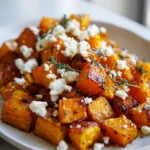
A simple and flavorful dish featuring roasted butternut squash topped with crumbled feta cheese.
- Prep Time: 10 mins
- Cook Time: 30 mins
- Total Time: 40 mins
- Yield: 4 servings 1x
- Category: Side Dish
- Method: Roasting
- Cuisine: Mediterranean
- Diet: Vegetarian
Ingredients
- 1 medium butternut squash, peeled and cubed
- 2 tbsp olive oil
- 1 tsp salt
- 1/2 tsp black pepper
- 1 tsp dried thyme
- 1/2 cup crumbled feta cheese
Instructions
- Preheat oven to 400°F (200°C).
- Toss butternut squash cubes with olive oil, salt, pepper, and thyme.
- Spread evenly on a baking sheet.
- Roast for 25-30 minutes until tender and slightly caramelized.
- Sprinkle feta cheese over the roasted squash.
- Serve warm.
Notes
- For extra flavor, add a drizzle of honey before serving.
- Substitute feta with goat cheese if preferred.
Nutrition
- Serving Size: 1/4 of recipe
- Calories: 180
- Sugar: 5g
- Sodium: 450mg
- Fat: 10g
- Saturated Fat: 3g
- Unsaturated Fat: 6g
- Trans Fat: 0g
- Carbohydrates: 20g
- Fiber: 4g
- Protein: 4g
- Cholesterol: 15mg