
I first discovered pumpkin seed pesto out of pure desperation, if I’m being honest. My sister-in-law developed a tree nut allergy a few years back, and our family’s classic basil pesto—loaded with pine nuts—was suddenly off the table. I tried making it with walnuts once, and let’s just say it was… not great. Too bitter, weird texture. So I started experimenting with pumpkin seeds, or pepitas, and honestly? I haven’t looked back since. This pumpkin seed pesto is now my go-to. It’s budget-friendly (pine nuts are crazy expensive!), takes all of ten minutes, and has this amazing, slightly earthy, toasty flavor that you just don’t get from the traditional version. I spent a good while testing the ratios to get that perfect creamy-not-gritty texture, and I’m so excited to share the final result with you.
Why You’ll Love This Pumpkin Seed Pesto
Trust me, once you try this pumpkin seed pesto, you’ll wonder why you ever bothered with pine nuts. Let me count the ways:
- It’s totally nut-free. Perfect for anyone with allergies—or just for switching things up.
- Way more affordable. Pepitas cost a fraction of pine nuts, so you can make this pesto all the time without feeling guilty.
- Super easy to customize. Swap the herbs, add a kick of red pepper, or make it dairy-free—it’s impossible to mess up.
- A meal prep hero. I keep a jar in the fridge and it’s saved me more times than I can count. Just last week I slathered it on a leftover chicken sandwich and wow—instantly elevated lunch.
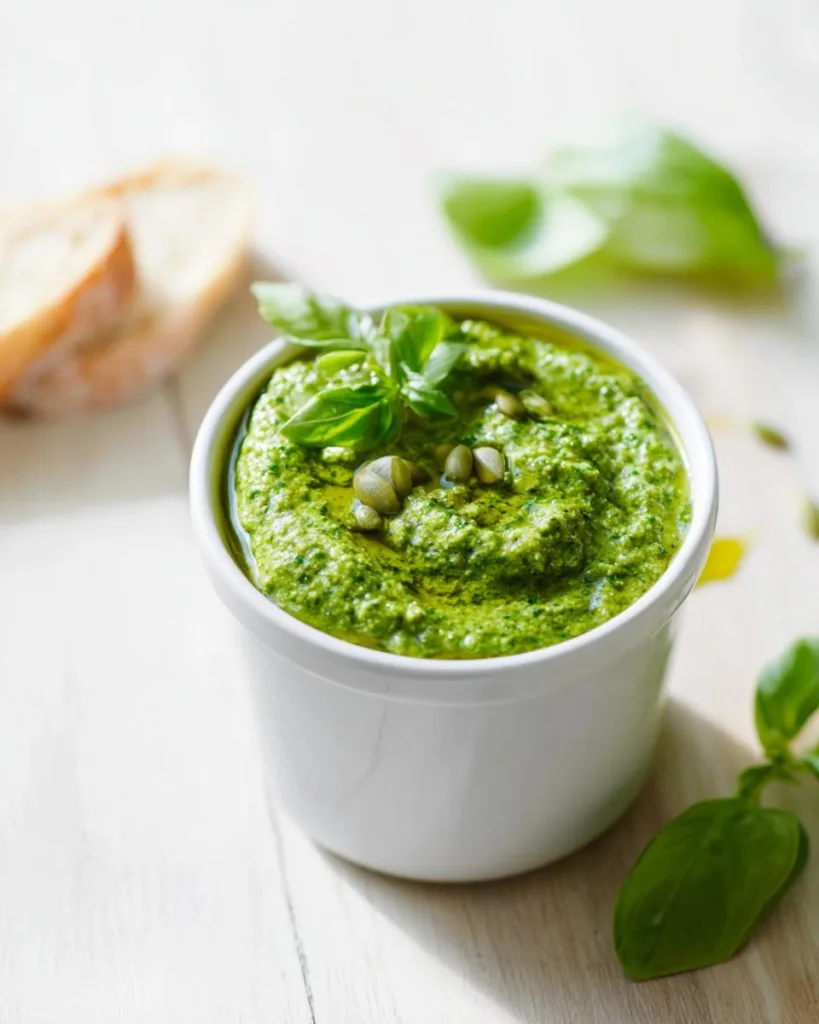
Ingredients for Pumpkin Seed Pesto
Alright, let’s talk ingredients. This recipe is beautifully simple, but a few little details really make the difference. I’ve tested this pumpkin seed pesto more times than I can count, and I’ve learned exactly what works. Here’s what you’ll need—and trust me, that “room temperature” bit matters more than you think.
Core Ingredients
You’ll need 1 cup raw pumpkin seeds (pepitas, unsalted)—please don’t use salted ones or we’ll have to adjust the salt later. 2 cups fresh basil leaves, tightly packed—and I mean tightly, don’t chop them, just stuff that measuring cup. 2 cloves garlic, peeled (if they’re huge, use one and a half). 1/2 cup grated Parmesan cheese—optional, but if you use it, grate it yourself; pre-shredded has anti-caking agents that mess with the texture. 1/2 cup extra virgin olive oil—use a good-quality one, it’s the star flavor. 2 tablespoons fresh lemon juice (bottled is fine in a pinch, but fresh really pops). 1/4 teaspoon salt plus more to taste, and 1/4 teaspoon black pepper. I also like to set everything out at room temperature before I start—it blends more smoothly and the olive oil doesn’t thicken up.
Optional Add-ins
Here’s where you can make it your own. For a dairy-free cheesy kick, add 1-2 tablespoons nutritional yeast along with the other ingredients. If you like a little heat, toss in a pinch of red pepper flakes. And if you want to brighten up the color or stretch the basil, add a handful of fresh parsley leaves. None of these are required—the basic recipe is already perfect—but they’re fun to play with depending on your mood.
How to Make Pumpkin Seed Pesto
Making this pumpkin seed pesto is almost too easy—it’s literally toast, blend, taste, done. I’ve walked through it so many times that I can do it with my eyes closed (don’t try that with the knife, though). Here’s the exact flow that never fails me.
Toast the Pepitas
First things first: grab a dry skillet—no oil, nothing—and set it over medium heat. Toss in your pumpkin seeds and let them toast for about 3 to 4 minutes, shaking the pan every so often. You’ll know they’re ready when they start to smell all warm and nutty and turn a shade or two darker. Watch them like a hawk. They go from perfectly toasted to burnt in about ten seconds flat. Once they’re fragrant, pour them onto a plate and let them cool completely. I know it’s tempting to skip this, but if you add warm seeds to the basil, it’ll wilt and turn sad—trust me, I learned the hard way.
Blend Everything Together
Now for the fun part. Dump the cooled pepitas, fresh basil, garlic, Parmesan (if you’re using it), lemon juice, salt, and pepper into your food processor. Give it a few quick pulses to break everything down. Then, with the motor running, slowly drizzle in the olive oil through the feed tube until the mixture turns into a smooth, thick paste. Stop once or twice to scrape down the sides with a spatula. Don’t over-process it—if you run it too long, the friction will warm up the pesto and darken that beautiful green color. You want it creamy, not hot.
Taste and Adjust
Here’s where you become the chef. Give your pumpkin seed pesto a taste. Need more salt? A squeeze of lemon? A crack of pepper? Go ahead and adjust. One thing I’ve learned: let the pesto rest for about five minutes before you do your final taste. The flavors need a second to get to know each other. Once you’re happy, scrape it into a jar and get ready to put it on everything.
Tips for Perfect Pumpkin Seed Pesto
I’ve made this pumpkin seed pesto dozens of times, and along the way I picked up a few tricks that make all the difference. Nothing fancy, just little things I learned by messing up—so you don’t have to. Here are my top three.
Prevent Discoloration
Nothing worse than opening your jar the next day to find a sad, brownish top layer. Here’s the fix: after you transfer the pesto to a jar, pour a thin layer of olive oil right on top. That oil creates a barrier that stops air from reaching the pesto, keeping that vibrant green color for a whole week. If you don’t want the extra oil, you can press a piece of plastic wrap directly onto the surface instead. I do the oil method—it adds a little flavor and I just stir it in when I use the pesto.
Adjust Consistency
Sometimes you nail the texture, other times you get a paste that’s a little too thick or a little too thin. Too thick? Just add cold water, one tablespoon at a time, pulsing after each addition, until it looks right. I like it a bit thicker for spreading on sandwiches, but looser for pasta. If it’s too thin (which rarely happens with pepitas, but just in case), throw in a few extra pumpkin seeds and pulse again. Easy fix, no stress.
Oh, and one more tip: if you overtoast your pepitas and they get a little bitter, don’t panic. Just add a squeeze more lemon juice or a tiny pinch of sugar. That balances the bitterness right out.
Pumpkin Seed Pesto Variations
One of the things I love most about this pumpkin seed pesto is how easy it is to shake things up. The base recipe is rock solid, but when I’m feeling adventurous (or just trying to use up whatever’s in my crisper drawer), I play around with these three variations. None of them take any extra time, and honestly? Some of my favorite batches have come from these swaps.
Herb Swaps
Basil is classic, but it’s definitely not the only option. I love swapping in cilantro for a bright, fresh twist—it’s amazing on tacos, trust me. Or try parsley for a milder, more peppery flavor. Personally, I love mixing 3/4 cup parsley with 1/4 cup mint when I want something a little more complex and refreshing. The mint adds this unexpected coolness that’s fantastic with grilled veggies or lamb. Don’t be afraid to experiment—this pumpkin seed pesto is basically a template for whatever herbs you’ve got lying around.
Make It Dairy-Free
Dairy-free doesn’t mean flavor-free, I promise. If you’re skipping the Parmesan, just add 1 to 2 tablespoons of nutritional yeast along with everything else. It gives that slightly savory, cheesy umami kick without any of the dairy. Another trick I’ve discovered: swap in 1 tablespoon of white miso paste instead. It’s a little more unexpected, but the salty, fermented flavor is honestly brilliant in this pesto. The taste shifts a bit, sure, but it’s just as satisfying—and honestly, sometimes I make it this way even when dairy isn’t an issue. My sister-in-law and I are both happy, which is all that matters.
Add Extra Vegetables
Want to stretch your pesto a bit further—and pack in some extra nutrients? Toss in a handful of kale or spinach before blending. Here’s the trick: blanch them quickly in boiling water for about 30 seconds, then dunk them in ice water and squeeze out every last drop of moisture. This step keeps your pumpkin seed pesto smooth and vibrant instead of turning it into a murky green mush. The taste stays pretty much the same, but you’ll get a bigger batch and a little boost of vitamins. Sneaky, right?
How to Store Pumpkin Seed Pesto
Alright, so you’ve made a gorgeous batch of pumpkin seed pesto—now let’s make sure it stays that way. I’ve learned the hard way that proper storage is the difference between vibrant green pesto and sad, brown mush. Here’s exactly how I keep mine fresh for as long as possible.
Refrigerator Storage
Grab a clean glass jar—I like using a small mason jar—and spoon your pesto in. Here’s the most important step: pour a thin layer of olive oil right on top, covering the entire surface. That oil seal blocks out air and keeps your pesto that beautiful bright green color. Screw the lid on tight and pop it in the fridge. It’ll stay perfect for 5 to 7 days, maybe even a full week if you’re lucky. Every time you scoop some out, just smooth the surface and add another tiny drizzle of oil on top. Sounds fussy, but it takes two seconds and makes all the difference.
Freezing for Later
Freezing pumpkin seed pesto is honestly my favorite trick for meal prep. Grab an ice cube tray and spoon the pesto into each compartment—don’t overfill, just a nice tablespoon or so per cube. Pop the tray in the freezer for a few hours until the cubes are solid, then pop them out and transfer to a zip-top freezer bag. Don’t forget to label the bag with the date! I’ve definitely found mystery bags in my freezer before, and let me tell you, guessing games are not fun. These cubes will keep for up to 3 months. When you need some pesto, just pull out a cube or two and let them thaw in the fridge overnight. Perfect single servings, no waste, and you’ve got instant flavor on hand whenever you need it.
Frequently Asked Questions
I get asked a lot of questions about this pumpkin seed pesto, and honestly, I love it! Here are the answers to the ones I hear most often. If you’ve got a different one, just drop it in the comments below and I’ll get back to you.
Can I use salted pumpkin seeds?
Sure, you can! Just keep in mind they’ll add extra saltiness to the whole batch. Hold back on the added salt—start with just 1/8 teaspoon instead of the full 1/4, then taste and adjust from there. Salted seeds definitely work in a pinch, but if you have unsalted on hand, that’s my first choice for the most control over the final flavor.
Is this pesto completely nut-free?
Yes, it is! Pumpkin seeds are seeds, not tree nuts, so this recipe is totally safe for nut-free diets. Just remember that Parmesan is dairy—if you need it fully dairy-free too, skip it and add a little nutritional yeast instead. That’s what I do for my sister-in-law, and she’s been a happy camper ever since.
What can I use instead of basil?
So many options! Parsley and cilantro both work beautifully, and you can even swap in arugula or spinach if that’s what you’ve got. Just know that each one changes the flavor profile—arugula gives it a nice peppery kick, cilantro makes it feel fresh and bright, and parsley keeps things pretty mild. Honestly, half the fun is experimenting with whatever’s in your fridge.
Can I freeze pumpkin seed pesto?
Absolutely! Freezing is one of the best tricks for this recipe. Spoon it into an ice cube tray, freeze until solid, then pop the cubes into a labeled freezer bag. They’ll stay fresh for up to 3 months, and you can grab just one cube whenever you need a quick flavor boost. No waste, no fuss.
How do I thin out the pesto?
Easy fix: just add cold water, one tablespoon at a time, while the food processor is running. Pulse after each addition and check the consistency until it’s where you want it. I’d advise against adding more olive oil—it can make the pesto taste greasy. Cold water keeps it light and lets the other flavors shine through.
Pumpkin Seed Pesto Nutrition Information
I know we’re all here for the flavor first, but it’s always nice to know what’s actually going into your body, right? A two-tablespoon serving of this pumpkin seed pesto clocks in at about 150 calories, with 14g of fat (just 2g saturated—the good kind from olive oil and seeds). You’ll also get 5g of protein, 4g of carbs, and a nice little 1g of fiber. Not bad for something that makes everything taste amazing. Just a heads up: these numbers are estimates and can shift a bit depending on the brands you use or if you go heavy on the Parmesan. But overall? This is one condiment I feel pretty good about slathering on everything.
Rate This Pumpkin Seed Pesto Recipe
If you made this pumpkin seed pesto, please rate it and share how you used it! Your feedback helps others know what to expect—and honestly, I just love hearing how it turned out in your kitchen. Did you slather it on a sandwich? Toss it with pasta? Dip veggies in it? Tell me everything!
Leave a Review
Go ahead and drop a star rating (1 to 5 stars) and a short comment below. Specific feedback on consistency or any substitutions you tried is super helpful for other readers. It only takes a minute, and it means the world to me—and to everyone else looking for the perfect pesto recipe.
Snap a photo of your creation and tag me on social media! I’d love to see how you used this pumpkin seed pesto. And if you want, use the hashtag pumpkinseedpesto so we can all find each other’s delicious versions. Happy cooking, friends!
PrintPumpkin Seed Pesto: Irresistible 10-Minute Nut-Free
A vibrant pesto made with pumpkin seeds instead of pine nuts. Great on pasta, sandwiches, or as a dip.
- Prep Time: 10 minutes
- Cook Time: 0 minutes
- Total Time: 10 minutes
- Yield: 1 cup (about 16 servings of 1 tablespoon each) 1x
- Category: Sauce, Condiment
- Method: No-Cook
- Cuisine: Italian-Inspired
- Diet: Vegetarian
Ingredients
- 1 cup pumpkin seeds (pepitas)
- 2 cups fresh basil leaves
- 2 cloves garlic
- 1/2 cup grated Parmesan cheese (optional; omit for dairy-free)
- 1/2 cup extra virgin olive oil
- 2 tablespoons lemon juice
- 1/4 teaspoon salt
- 1/4 teaspoon black pepper
Instructions
- Toast the pumpkin seeds in a dry skillet over medium heat for 3-4 minutes until fragrant and lightly browned. Let cool.
- Combine the cooled pumpkin seeds, basil, garlic, Parmesan (if using), lemon juice, salt, and pepper in a food processor.
- Pulse while slowly drizzling in the olive oil until the mixture reaches a smooth, paste-like consistency. Scrape down the sides as needed.
- Taste and adjust seasoning with more salt, pepper, or lemon juice if desired.
- Transfer to a jar and use immediately or refrigerate for up to one week.
Notes
- For a nut-free and dairy-free version, skip the Parmesan and add 1-2 tablespoons nutritional yeast for a cheesy flavor.
- You can swap basil with other herbs like parsley or cilantro.
- Store leftovers with a thin layer of olive oil on top to prevent browning.
Nutrition
- Serving Size: 2 tablespoons
- Calories: 150
- Sugar: 1g
- Sodium: 120mg
- Fat: 14g
- Saturated Fat: 2g
- Unsaturated Fat: 10g
- Trans Fat: 0g
- Carbohydrates: 4g
- Fiber: 1g
- Protein: 5g
- Cholesterol: 5mg