
I first discovered these Indian Butter Chickpeas on a chilly weeknight when I was craving something warm, creamy, and deeply satisfying—but I had no cream in the fridge and absolutely no energy for a complicated curry. What started as a pantry experiment turned into one of my most-requested recipes. Honestly, I couldn’t believe how silky and rich it turned out using only coconut cream and humble canned chickpeas!
Over the course of about twelve test batches (my husband was a very willing taste-tester), I tweaked the spice balance, played with the cook time, and finally landed on this version that feels indulgent but is totally vegan. The magic happens when the toasted spices hit the tomato base and that coconut cream swirls in—suddenly you’ve got a bowl of pure comfort that comes together in just 40 minutes. These Indian Butter Chickpeas have become my go-to for busy evenings when I want something that tastes like it simmered all day but actually comes together in one pan with minimal fuss.
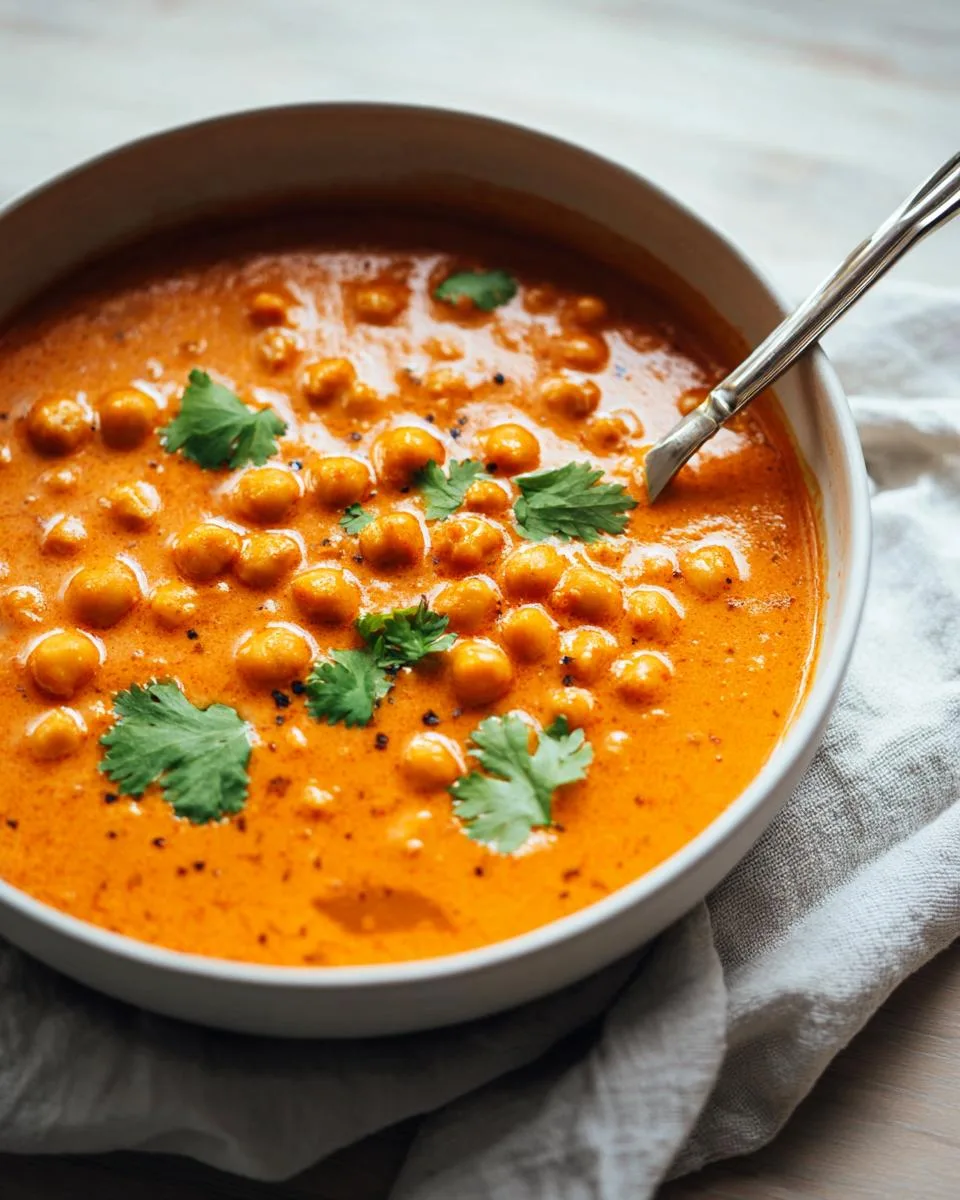
Why You Will Love These Indian Butter Chickpeas
Let me tell you why this dish has earned a permanent spot in my weekly rotation. It’s not just delicious—it’s genuinely easy.
- Ready in 40 minutes flat. From chopping onions to sitting down with a bowl, you’re done in the time it takes to watch an episode of your favorite show. No marinating, no complicated steps.
- Budget-friendly ingredients. Canned chickpeas, canned tomatoes, pantry spices—you probably already have most of this stuff. This is comfort food that won’t wreck your grocery budget.
- Rich and creamy without any dairy. I promise you won’t miss the cream one bit. Coconut cream gives it that luscious, velvety texture that makes you want to lick the bowl clean.
- Packed with protein and fiber. Chickpeas are little powerhouses. Each serving gives you 12 grams of protein and 10 grams of fiber, so you stay full and satisfied for hours.
- Foolproof for beginners. If you can stir a pot, you can make this. No tricky techniques, no fancy equipment, and the recipe is super forgiving if you need to adjust things as you go.
- Perfect for meal prep. This is one of those dishes that actually tastes better the next day. Make a big batch on Sunday, and you’ve got lunches or quick dinners ready to grab all week.
Honestly, what’s not to love?
Ingredients for Indian Butter Chickpeas
Let me walk you through exactly what you’ll need. I’ve tested this enough times to know that getting these details right makes all the difference—no surprises, just pure creamy goodness.
- 2 tablespoons vegetable oil or vegan butter – Use something neutral-flavored like avocado oil, grapeseed oil, or a good quality vegan butter. Skip olive oil here; it’s too strong and will compete with the spices.
- 1 large yellow onion, finely chopped (about 1 cup) – Yellow onions are my go-to for this dish. They get sweet and golden when you cook them down, which is exactly what we want. Don’t rush this step!
- 3 cloves garlic, minced fine – Fresh garlic only, please. Pre-minced stuff from a jar just doesn’t have the same punch. Take the extra thirty seconds to do it yourself.
- 1 tablespoon fresh ginger, grated on a microplane – This is non-negotiable. That little zing of fresh ginger is what makes the sauce sing. A microplane gives you a fine paste that melts right into the onions.
- 1 teaspoon garam masala – The backbone of this dish. If you don’t have it, see my substitution notes below.
- 1 teaspoon ground cumin – Earthy and warm. Toast it in the pan for a few seconds and your kitchen will smell incredible.
- 1 teaspoon ground coriander – Bright and slightly citrusy. It balances the heavier spices perfectly.
- 1/2 teaspoon turmeric – For that gorgeous golden color and a subtle earthy flavor. Plus, it’s great for you!
- 1/2 teaspoon chili powder – Adjust this to your heat preference. I use standard American chili powder for a mild warmth, but you can swap for cayenne if you like it hot.
- 1 (15-ounce) can tomato puree, not tomato sauce – This is important! Tomato puree is smooth and thick, while tomato sauce is thinner and often seasoned differently. If you only have crushed tomatoes, see my substitution below.
- 1 (15-ounce) can chickpeas, drained and rinsed well – Rinse them until the water runs clear. That starchy liquid from the can can make your sauce gloopy, and we don’t want that.
- 1/2 cup full-fat coconut cream from the top of a chilled can – Chill a can of full-fat coconut milk overnight, then scoop off the thick white cream that rises to the top. Save the watery liquid for smoothies or soups. This is what gives you that luscious, dairy-free creaminess.
- 1 tablespoon sugar – Just a touch to balance the acidity of the tomatoes. Coconut sugar or maple syrup work too.
- 1 teaspoon salt – Start here and adjust at the end. Different brands of chickpeas and tomato puree vary in saltiness.
- Fresh cilantro for garnish – A handful of chopped cilantro right before serving adds freshness and color. If you’re a cilantro-hater, try fresh mint or a squeeze of lemon instead.
Ingredient Substitutions
I know pantry situations aren’t always perfect, so here are my tried-and-true swaps. For the coconut cream, you can use cashew cream (soak 1/2 cup cashews in hot water for 30 minutes, then blend with 1/4 cup water until smooth) or just heavy cream if you’re not keeping it vegan. If you don’t have tomato puree, blend a can of crushed tomatoes until smooth—it works beautifully. Missing chili powder? Use 1/2 teaspoon smoked paprika plus an extra 1/2 teaspoon cumin for a smoky twist. And if garam masala isn’t in your spice drawer, mix equal parts ground cumin and ground coriander (about 1/2 teaspoon each) with a pinch of cinnamon. It’s not exact, but it’s close enough to save dinner!
Equipment You Will Need
The beauty of this dish is that you don’t need any fancy gadgets—just a few basics you probably already own. Here’s what I use every single time:
- A large heavy-bottomed pan or Dutch oven – I reach for my 5-quart Dutch oven because it holds heat evenly and keeps the sauce from scorching. A deep skillet works great too, just make sure it’s got some heft to it.
- A wooden spoon – My favorite tool for stirring and scraping up all those flavorful browned bits from the bottom of the pan. A silicone spatula works too, but wood just feels right for this kind of cooking.
- Measuring spoons – You’ll be adding a lot of spices, so having a full set handy makes the process smooth and mess-free.
- A grater for the ginger – A microplane is my secret weapon here. It turns that knob of ginger into a fine paste that dissolves right into the onions without any stringy bits.
- A sharp knife and cutting board – For the onion, garlic, and any garnishes. A decent chef’s knife makes chopping feel effortless.
- A can opener – Simple but essential. Don’t get caught struggling with a stubborn can when you’re hungry!
- A small bowl for your spices – I like to measure out all my spices into one little bowl before I start cooking. That way I can dump them in all at once without fumbling with jars while things are sizzling.
That’s it! Nothing complicated, nothing expensive. Just good, honest kitchen tools that’ll help you get dinner on the table fast.
Step-by-Step Instructions for Perfect Indian Butter Chickpeas
Alright, let’s get cooking! I’m going to walk you through each step with the exact timings and visual cues I use so you nail this every single time. Trust me, your kitchen is about to smell incredible.
Step 1: Cook the onions until golden. Heat your oil or vegan butter in that heavy-bottomed pan over medium heat. You want it shimmering—not smoking. Toss in your chopped onion and give it a good stir. Now here’s the key: stir every minute or so, and let them cook until they develop deep golden edges. This takes about 5 minutes. Don’t rush it! Those browned bits are pure flavor waiting to happen.
Step 2: Bloom the garlic and ginger. Add your minced garlic and grated ginger to the pan. Stir constantly for exactly 60 seconds. You’ll smell them immediately—that warm, fragrant aroma is your signal. Do not let them brown. Burnt garlic turns bitter, and we want sweet and savory here, not acrid.
Step 3: Toast the spices. Dump all your ground spices—garam masala, cumin, coriander, turmeric, and chili powder—right into the pan at once. Stir them into the onion mixture for about 30 seconds. You’ll know it’s ready when that toasty, earthy smell hits your nose and the spices look slightly darker. This step wakes up the flavors big time.
Step 4: Build the tomato base. Pour in your tomato puree and immediately scrape the bottom of the pan with your wooden spoon. Get all those browned bits up—that’s where the depth of flavor lives. Bring the sauce to a gentle bubble, then reduce the heat to low. Let it simmer for 5 minutes, stirring occasionally. You’ll see it darken slightly and thicken a bit.
Step 5: Add the chickpeas and coconut cream. Stir in your drained chickpeas, that gorgeous coconut cream, the sugar, and the salt. Give everything a good stir to combine. Turn the heat up to medium, bring it to a simmer, then drop it back to low. Let it cook uncovered for 10 minutes. The sauce will thicken and reduce as it bubbles away. Stir once or twice to make sure nothing sticks.
Step 6: Taste and finish. Take a spoonful and taste it. Need more salt? A pinch more heat? This is your chance to adjust. Then turn off the heat and stir in a big handful of fresh cilantro. The residual warmth will wilt it perfectly.
How to Know When Your Sauce Is Ready
You’re looking for a few telltale signs. The sauce should coat the back of a spoon nicely—not runny, not paste-thick. You might see a few tiny droplets of oil separate on the surface, which is totally normal and actually a good sign. The chickpeas should look plump and glossy, like little jewels. And the sauce should have reduced by about one-quarter from where it started. That’s when you know it’s perfect.
Tips for the Best Indian Butter Chickpeas
After making this dish more times than I can count, I’ve picked up a few tricks that really take it over the top. First, if you have whole cumin or coriander seeds, toast them in a dry pan for a minute before grinding—the flavor is so much deeper. And please don’t skip sautéing those onions until they’re truly golden. That sweetness is the foundation of the whole dish, and pale onions just won’t give you the same richness.
Another thing I learned the hard way: use your coconut cream at room temperature. If it’s straight from the fridge, it can seize up and look curdled when it hits the hot pan. Let it sit out for 10 minutes first. Want a thicker sauce? Simmer uncovered for the full 10 minutes, or even a few extra if you have time. For heat, add chili powder just 1/4 teaspoon at a time—you can always add more, but you can’t take it out! And if you’ve got a handful of spinach wilting in your fridge, toss it in during the last 2 minutes of cooking. It adds color and nutrition without changing the flavor at all.
Variations to Try
One of the best things about this dish is how easy it is to switch things up based on what you have on hand or what you’re craving. I’ve played around with a bunch of variations, and these are my absolute favorites.
For a little extra color and sweetness, toss in 1 cup of diced bell peppers along with the onions. Red or yellow peppers work best—they soften up nicely and add a subtle sweetness that plays beautifully with the spices. If you’re a pea lover like me, stir in 1/2 cup of frozen peas during the last 3 minutes of cooking. They turn bright green and add little pops of sweetness that are just delightful.
Want to make it even more substantial? Swap the chickpeas for 1 pound of cubed paneer. Just add it gently in the last 5 minutes so it warms through without breaking apart. The paneer soaks up all that creamy sauce like a dream. For an authentic Indian touch, crush 1 teaspoon of kasuri methi (dried fenugreek leaves) between your palms right before serving and sprinkle it over the top. That slightly bitter, nutty flavor is pure magic with the tomato and coconut.
And if you like things spicy (I’m talking sweat-on-your-forehead spicy), mince 1 fresh green chili and add it with the garlic and ginger. The heat builds slowly and lingers in the most satisfying way. Just be careful—those little guys pack a punch!
Serving Suggestions
Okay, you’ve got this gorgeous pot of creamy, spiced goodness—now what do you eat it with? My absolute favorite way is piled over a big scoop of steamed basmati rice. The fluffy grains soak up all that sauce perfectly. But honestly, the real star is warm naan bread for dipping. There’s something so satisfying about tearing off a piece and dragging it through that silky sauce.
If you want to round out the meal, whip up a quick cucumber raita using coconut yogurt. Just grate a cucumber, squeeze out the excess water, and stir it into the yogurt with a pinch of salt and cumin. The cool, refreshing contrast is *chef’s kiss* against the warm spices. You can also stuff these butter chickpeas into pita pockets for a handheld lunch that’s way more exciting than a sandwich.
Before you serve, let the dish rest for about 10 minutes off the heat. I know it’s hard to wait when it smells this good, but trust me—the flavors meld together and deepen in that short time. Then top with a generous handful of fresh cilantro and a good squeeze of lemon juice. That little hit of acidity at the end brightens everything up and makes each bite sing.
Storage and Reheating Instructions
One of the best things about these Indian Butter Chickpeas is how well they keep—honestly, they might even taste better the next day after all those flavors have had time to get cozy together. Let me walk you through how to store and reheat them so they stay just as creamy and delicious as when you first made them.
For short-term storage, let the dish cool completely, then transfer it to an airtight container and pop it in the fridge. It’ll stay fresh for up to 5 days, which makes it perfect for meal prep. I like to portion mine out into individual containers so I can grab one for lunch without any fuss.
Want to stash some for later? These freeze beautifully! Spoon the cooled chickpeas into a freezer-safe container, leaving about 1 inch of headspace at the top (the sauce expands a little as it freezes). Seal it up tight and freeze for up to 3 months. Just be sure to label it with the date—I’ve definitely played the “what’s in this container?” game before, and it’s never fun.
When you’re ready to eat, you’ve got two good options. My preferred method is the stovetop: dump the thawed or chilled butter chickpeas into a pan over medium-low heat. If the sauce has thickened up too much during storage (which it will, thanks to the coconut cream), just add a splash of water or a little extra coconut milk to loosen it up. Stir gently and let it warm through for about 5-7 minutes. If you’re in a hurry, the microwave works great too—just heat in 30-second bursts, stirring in between, until it’s hot all the way through. Easy peasy!
Frequently Asked Questions about Indian Butter Chickpeas
I’ve gotten so many questions about this recipe over the years, and honestly, I love hearing what people are wondering. It means you’re actually cooking it! So let me answer the most common ones right here so you can cook with total confidence.
Can I use dried chickpeas instead of canned?
Absolutely! If you want to go the from-scratch route, cook about 1 cup of dried chickpeas until they’re nice and tender—this usually takes about an hour on the stovetop or 30 minutes in a pressure cooker. Once they’re done, you’ll have roughly 2 cups of cooked chickpeas, which is the perfect amount for this recipe. Just make sure to drain and rinse them well before adding to the sauce, same as you would with canned.
How do I make it less spicy?
No problem at all! This is one of those recipes that’s super easy to dial back. Just reduce the chili powder to 1/4 teaspoon for a very mild warmth, or leave it out entirely if you’re cooking for kids or sensitive palates. The dish will still be incredibly flavorful thanks to all the other spices—garam masala, cumin, and coriander bring plenty of depth without any heat. You can always pass around extra chili flakes at the table for anyone who wants a kick.
Is this dish gluten-free?
Yes, it sure is! All the ingredients in this recipe—chickpeas, coconut cream, tomato puree, and the spices—are naturally gluten-free. The only thing I’d suggest is to double-check your spice blends if you’re buying pre-mixed ones, as some brands sometimes add anti-caking agents that contain gluten. But with most standard brands, you’re good to go. Serve it with rice or gluten-free naan, and you’ve got a completely gluten-free meal that everyone can enjoy.
Can I double this recipe?
You bet! This recipe scales up beautifully. Just use a larger pot—something in the 6 to 8-quart range works well—so you have plenty of room to stir without splashing. The only change you’ll need to make is to increase the cooking time by about 5 minutes at the end to let the sauce reduce properly. All the other ingredients just double, and the spice amounts stay the same ratio. Perfect for feeding a crowd or stocking your freezer!
What can I use instead of garam masala?
Don’t worry if your spice drawer is missing this one. You can make a quick substitute by mixing together 1/2 teaspoon ground cumin, 1/4 teaspoon cinnamon, and 1/4 teaspoon black pepper. It won’t be exactly the same, but it’ll give you that warm, aromatic vibe that garam masala is famous for. I’ve done this in a pinch more times than I can count, and honestly, it still tastes fantastic. Just add it at the same point in the recipe and you’re golden!
Nutritional Information
I always like to know what I’m putting into my body, so here’s the breakdown for a generous 1.5-cup serving of these Indian Butter Chickpeas. You’re looking at 350 calories, with 15 grams of total fat (only 5 of those are saturated), and zero cholesterol—pretty great for something this creamy! You’ll also get 40 grams of carbs, but 10 of those are fiber, plus 12 grams of protein to keep you full. Just keep in mind this is an estimate based on the ingredients I use, and your numbers might shift a little depending on your specific brands or any swaps you make. But honestly, it’s nourishing, satisfying, and totally worth every bite.
Your Turn
Alright, now it’s your time to shine! I’d love to hear how these Indian Butter Chickpeas turned out in your kitchen. Did you throw in some extra spinach? Swap the chickpeas for paneer? Or maybe you went wild and added a whole green chili like I mentioned? Drop a comment below and tell me all about your customizations—I read every single one and it honestly makes my day.
And hey, if you loved this recipe (or even if you tweaked it into something completely new), please give it a star rating so other folks know it’s worth trying. Plus, if you snap a photo of your gorgeous bowl of creamy, spiced goodness, tag me on social media—I’m always scrolling and love seeing your beautiful creations. Happy cooking, friend!
PrintIndian Butter Chickpeas: 30 Min Creamy Vegan Dinner
A creamy and flavorful Indian dish made with chickpeas in a spiced tomato sauce.
- Prep Time: 15 minutes
- Cook Time: 25 minutes
- Total Time: 40 minutes
- Yield: 4 servings 1x
- Category: Main Course
- Method: Stovetop
- Cuisine: Indian
- Diet: Vegan
Ingredients
- 2 tablespoons vegetable oil or vegan butter
- 1 large onion, finely chopped
- 3 cloves garlic, minced
- 1 tablespoon grated fresh ginger
- 1 teaspoon garam masala
- 1 teaspoon ground cumin
- 1 teaspoon ground coriander
- 1/2 teaspoon turmeric
- 1/2 teaspoon chili powder
- 1 (15-ounce) can tomato puree
- 1 (15-ounce) can chickpeas, drained and rinsed
- 1/2 cup coconut cream (or heavy cream for non-vegan)
- 1 tablespoon sugar
- 1 teaspoon salt
- Fresh cilantro for garnish
Instructions
- Heat oil in a large pan over medium heat. Add onion and cook until soft, about 5 minutes.
- Add garlic and ginger, cook for 1 minute until fragrant.
- Stir in garam masala, cumin, coriander, turmeric, and chili powder. Cook for 30 seconds.
- Pour in tomato puree and bring to a simmer. Let it cook for 5 minutes.
- Add chickpeas, coconut cream, sugar, and salt. Stir well and cook for 10 minutes, allowing flavors to meld.
- Taste and adjust seasoning if needed. Garnish with fresh cilantro.
Notes
- Serve with basmati rice or warm naan bread.
- For a thicker sauce, simmer longer uncovered.
- Adjust chili powder to control heat level.
- You can add spinach or kale in the last 2 minutes of cooking.
Nutrition
- Serving Size: 1.5 cups
- Calories: 350
- Sugar: 8 g
- Sodium: 600 mg
- Fat: 15 g
- Saturated Fat: 5 g
- Unsaturated Fat: 8 g
- Trans Fat: 0 g
- Carbohydrates: 40 g
- Fiber: 10 g
- Protein: 12 g
- Cholesterol: 0 mg